

As a future airplane owner, I’ve realized that flying is only part of the equation—owning an aircraft introduces an entirely new set of challenges. From maintenance to insurance, storage, diagnostics, and planning cross-country trips, the learning curve is steep. Thankfully, Mike Busch’s books have been an invaluable guide through this process. His writing covers every aspect of aircraft ownership, and he manages to make even the most technical topics engaging, practical, and—believe it or not—fun to read.
Who Is Mike Busch?
Mike Busch is a legend in the general aviation (GA) community. An A&P/IA with decades of experience, he is known for his unconventional yet highly effective approach to aircraft maintenance. He is the founder of Savvy Aviation, a company dedicated to helping aircraft owners make smarter maintenance decisions. Busch has been a vocal advocate for owner involvement in maintenance, reliability-centered decision-making, and data-driven diagnostics. His books distill his decades of expertise into actionable insights that every aircraft owner can benefit from.
Mike Busch’s Essential Books on Aircraft Ownership and Maintenance
- Manifesto: A Revolutionary Approach to General Aviation Maintenance: This book challenges conventional wisdom in aircraft maintenance, advocating for a more analytical and data-driven approach. Busch emphasizes condition-based maintenance over traditional time-based overhauls and provides strategies for reducing costs while maintaining safety and reliability.
- Engines: What Every Aircraft Owner Needs to Know About the Design, Operation, Condition Monitoring, Maintenance, and Troubleshooting of Piston Aircraft Engines: A deep dive into piston aircraft engines, this book covers everything from basic engine operation to troubleshooting, maintenance, and failure prevention. Busch discusses best practices for extending engine life, interpreting oil analysis, and avoiding unnecessary overhauls.
- Mike Busch on Airplane Ownership (Volume 1): The first volume in Busch’s ownership series explores the realities of owning an airplane, including maintenance strategies, dealing with mechanics, and understanding regulatory requirements. He shares insights on managing maintenance costs and making informed decisions as an aircraft owner.
- Mike Busch on Airplane Ownership (Volume 2): This follow-up volume builds on the first, diving deeper into real-world case studies and advanced topics in airplane ownership. Busch provides practical advice on handling mechanical issues, making sense of logbooks, and navigating the complexities of aircraft ownership with confidence.
Beyond the Knowledge: Key General Aviation Insights from Mike Busch
Busch’s books aren’t just about maintenance checklists and oil changes—he introduces a fundamental shift in how aircraft owners should think about their airplanes. Here are three of the most important lessons from his work:
1. Reliability-Centered Maintenance (RCM) vs. Time-Based Maintenance
Traditionally, aviation maintenance has been driven by manufacturer-recommended overhaul times and replacement schedules. This time-based approach assumes that parts will fail at predictable intervals, which often leads to unnecessary maintenance, high costs, and even unintended reliability issues caused by intrusive maintenance.
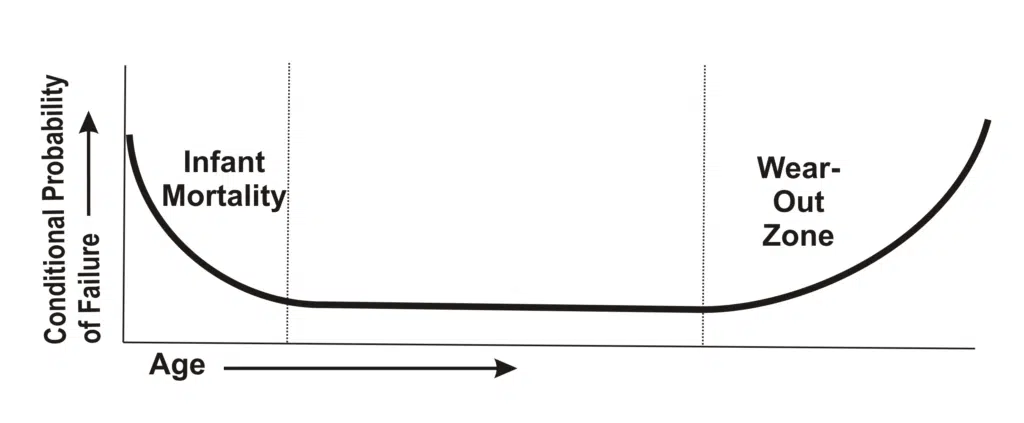
Busch advocates for Reliability-Centered Maintenance (RCM), a strategy used in commercial aviation and other industries, where components are maintained based on actual condition rather than arbitrary time limits. Instead of preemptively replacing components that may still have years of service left, RCM relies on inspections, condition monitoring, and data analysis to determine when maintenance is truly needed.
For GA aircraft owners, adopting an RCM mindset means:
- Avoiding premature overhauls and unnecessary parts replacements.
- Using borescope inspections, oil analysis, and engine monitoring data to assess component health.
- Reducing downtime and maintenance costs while improving overall aircraft reliability.
2. The Importance of Data Collection for Predictive Maintenance
Busch is a strong advocate for data-driven maintenance, and his books highlight how owners can use real-world data to diagnose and prevent mechanical issues.
Critical data sources include:
- Engine instrumentation: Modern digital engine monitors can reveal subtle trends in temperature, fuel flow, and pressure that indicate developing issues long before a failure occurs.
- Oil and filter analysis: Sending engine oil samples to a lab provides early warning signs of internal wear, metal contamination, and other potential problems.
- Borescope inspections: Rather than assuming an engine needs an overhaul at a given hour mark, visual inspections of cylinder walls, valves, and pistons can provide real evidence of actual wear.
By consistently collecting and analyzing this data, aircraft owners can extend engine life, reduce maintenance surprises, and make more informed decisions about when repairs are truly needed.
3. The Role of the Owner as “Owner-in-Command”
One of the most impactful concepts that Busch emphasizes is the FAA’s regulation that the owner, not the mechanic, is ultimately responsible for an aircraft’s airworthiness—an often-overlooked reality with significant implications for how maintenance should be managed.
Under Part 91 (general aviation) regulations, the pilot-in-command is responsible for determining whether the aircraft is airworthy before every flight. But the owner-in-command is responsible for managing the airplane’s overall maintenance—choosing what work is done, ensuring compliance with regulations, and making decisions about repairs and inspections.
For certified aircraft, this means:
- Working with A&P mechanics but understanding that you, the owner, have the final say in maintenance decisions.
- Learning how to diagnose issues before bringing them to an A&P, so you can provide mechanics with clear, actionable information rather than hoping they’ll “figure it out.”
- Being actively involved in annual inspections, asking questions, and ensuring maintenance aligns with the aircraft’s actual needs.
For experimental aircraft (like my future Sling TSi), this concept is even more important because:
- Owners have even more control over their maintenance, with fewer regulatory requirements dictating how and when work must be performed.
- The builder (that’s me!) gets additional privileges, such as performing their own condition inspections.
- Understanding every system on the aircraft is essential—not just for maintenance but for safety and decision-making in the air.
Savvy Aviation: A Logical Extension of Mike Busch’s Philosophy
Savvy Aviation, founded by Mike Busch, provides a range of aircraft maintenance management and consulting services that align closely with the principles outlined in his books. The company’s mission is to help aircraft owners make smarter, safer, and more cost-effective decisions about maintenance, troubleshooting, and ownership. Savvy Aviation’s services embody Busch’s philosophy of condition-based maintenance, data-driven diagnostics, and owner empowerment—core themes throughout his books.

Savvy Aviation is, in many ways, the real-world application of Busch’s maintenance and ownership philosophy. His books educate aircraft owners on the “why” of maintenance management, while Savvy’s services provide the “how” by offering expert oversight, data analysis, and troubleshooting assistance. For pilots who embrace Busch’s approach but don’t want to manage everything alone, Savvy Aviation offers a structured way to apply these principles in practice.
1. Savvy Maintenance Management: This flagship service provides aircraft owners with expert guidance in managing their aircraft’s maintenance.
2. SavvyAnalysis Engine Monitoring: This service allows owners to upload engine data from digital engine monitors for expert analysis. It helps in detecting potential engine issues early, reducing unnecessary maintenance, and preventing catastrophic failures.
3. SavvyBreakdown Assistance: A service that provides expert help when an aircraft has a mechanical issue while away from home. Savvy’s team assists in troubleshooting and ensures that necessary repairs are carried out correctly and cost-effectively.
4. Prebuy Management Services: Savvy helps buyers assess aircraft before purchase, ensuring they don’t inherit hidden maintenance nightmares.
Why This Matters for My Sling TSi Build
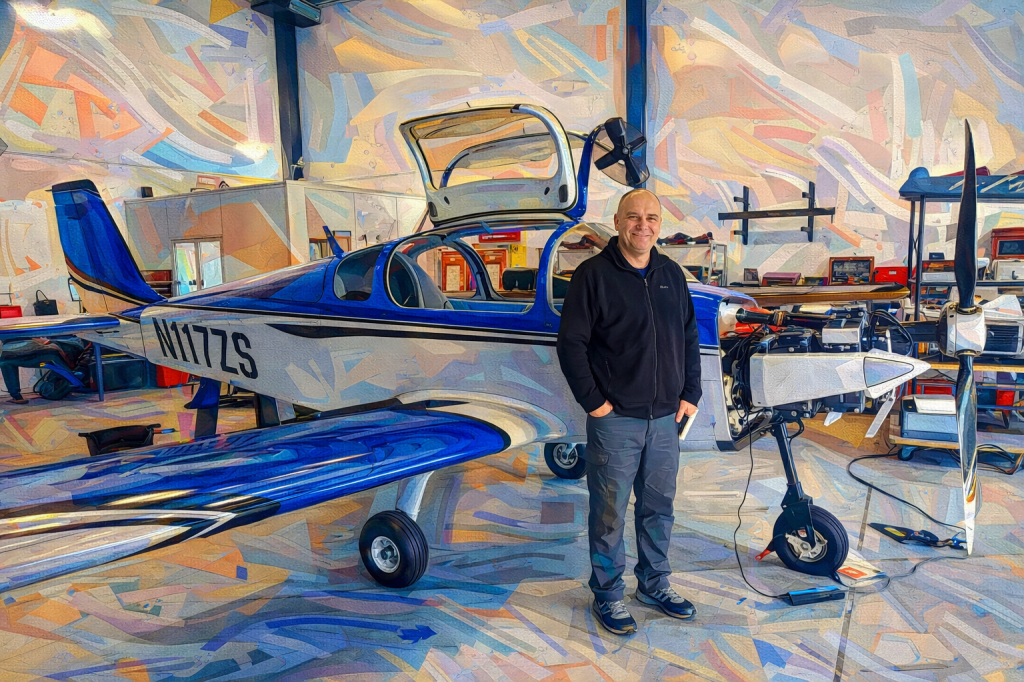
I’ve already decided that the moment I complete my Sling TSi, I’ll be subscribing to Savvy Aviation. Having access to expert analysis, troubleshooting support, and maintenance oversight will be invaluable as I transition into aircraft ownership. Given the investment in both time and money, I want to ensure I’m making the smartest maintenance decisions possible—and Mike Busch’s philosophy aligns perfectly with that goal.




 Slingology - Building and Flying a Sling TSi
Leave a comment