

TL;DR: The FAA just issued MOSAIC—Modernization of Special Airworthiness Certification—a long-overdue overhaul of how we build, fly, and think about light aircraft. It expands Light Sport Aircraft limits, opens new doors for Experimental Amateur-Built (E-AB) builders, and gives pilots more flexibility. It doesn’t fix everything, but it’s the most significant regulatory change in decades. In this series, I’ll walk through what it means for builders, the broader GA market, and folks like me who want to keep flying well into their 70s.
The World Has Changed—The Rules Just Didn’t Know It Yet
General Aviation (GA) has been quietly modernizing for two decades.
We’ve got carbon fiber airframes, digital flight decks, engines with electronic ignition, autopilots that rival commercial jets—and entire aircraft that can be built in garages and flown across the country. But until now, the FAA’s rules were stuck in a bygone era. The 2004 Light Sport Aircraft rule was a step forward at the time—but in today’s world, its weight and performance limits feel like they were designed for lawnmowers with wings.
Enter: MOSAIC. The FAA’s long-promised regulatory reboot that finally acknowledges the reality of modern light aviation.
So What Is MOSAIC?
MOSAIC stands for Modernization of Special Airworthiness Certification, and it’s more than just a tweak to existing rules. It’s a full-scale rewrite of how the FAA defines Light Sport Aircraft (LSA), how it regulates Experimental Amateur-Built (E-AB) planes, and how it approaches pilot privileges—particularly for Sport Pilots.
The final rule, issued in July 2025, includes:
- Performance-based aircraft definitions instead of arbitrary weight limits
- Expanded capabilities for LSAs, including:
- Four seats (still limited to carrying one passenger for Sport Pilots)
- Retractable gear and constant-speed props
- Higher stall speeds (up to 59 knots clean)
- Night and IFR flying (for properly equipped planes)
- Greater clarity and new allowances for E-AB use and instruction
- Improved pathways for innovation and commercial utilization (in limited cases)
It’s dense. It’s overdue. And it’s exactly what GA needed.
Why It Matters
MOSAIC doesn’t just tinker at the edges—it reframes the future of GA in a way that feels long overdue:
- Builders will have more freedom to design and fly aircraft that match today’s expectations, not yesterday’s limits.
- Sport Pilots gain access to faster, safer, and more capable planes—without needing a private pilot certificate.
- Manufacturers will have a viable alternative to the often painful and expensive Part 23 certification path.
- The entire ecosystem—insurance, instruction, flight schools, maintenance—starts shifting toward a more modern foundation.
A New Breed of Airplanes Is Standing By
Several aircraft have been quietly waiting in the wings for this moment—designed with MOSAIC in mind, but held back by outdated regulations.


Just to name a few:
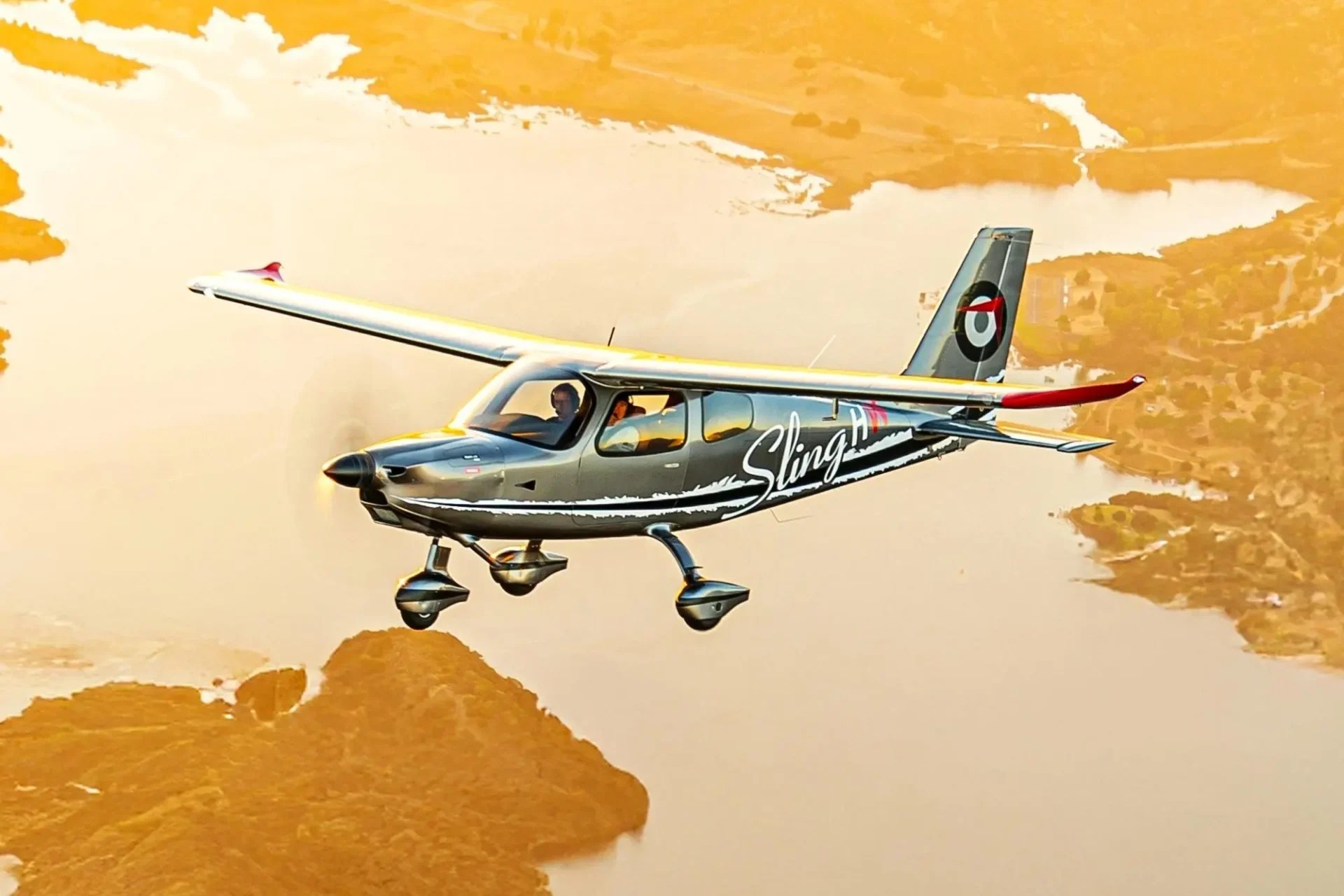
- The Sling High Wing and Sling TSi – Designed for IFR, cross-country performance, and comfort—yet still under the LSA weight ceiling.
- The RV-15 – A rugged, bush-capable taildragger from Van’s Aircraft with STOL performance and utility in mind.
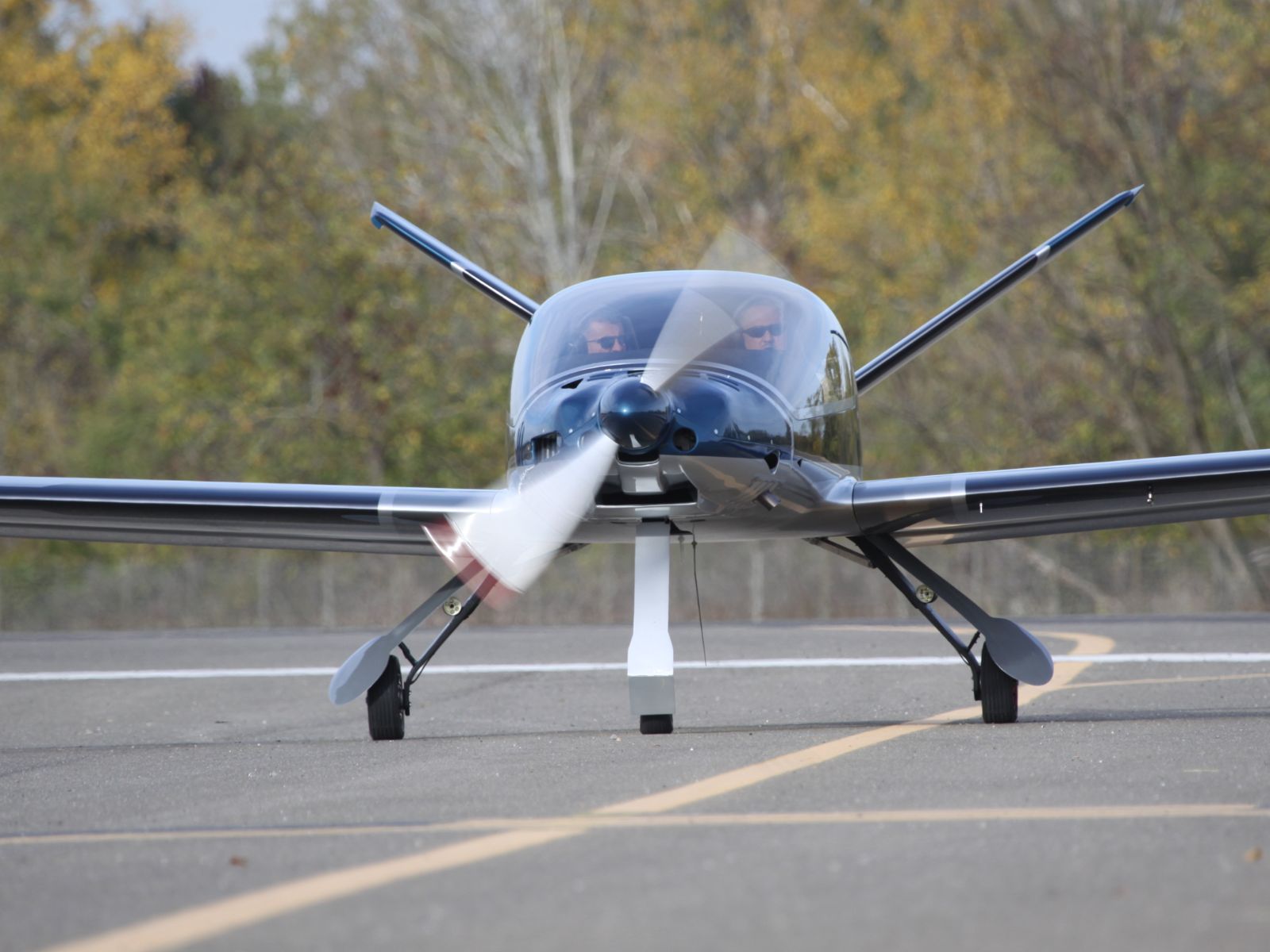
- The Bristel RG– An example of four-seat, retractable gear, crosscountry experimental aircraft potentially MOSAIC-certifiable under LSA rules.
- The Risen SV 916 – The Ferrari of the light GA aircrafts could potentially be certified in US.
- And a growing number of composite LSAs with full glass cockpits, autopilot, and constant-speed props.
MOSAIC doesn’t just expand definitions—it expands the opportunity space for aircraft that are ready today to be certified as LSAs.
But Hold On—It’s Not a Free-for-All
This isn’t a “build whatever you want and go fly it at night with six friends and a margarita machine” rule.
There are still boundaries:
- Sport Pilots remain limited to one passenger
- You still need appropriate endorsements for things like night flight
- Experimental aircraft still have operating limitations
- Commercial use is expanded, but narrowly (e.g., some training allowances)
In other words, it’s not chaos. It’s calibrated flexibility.
Coming Up in This Series
This is the kickoff to a 4-part series breaking down what MOSAIC means for real pilots and builders like us:
- MOSAIC Is Here: What Changes for E-AB Builders and Why It Matters
We’ll dig into how MOSAIC alters the E-AB world: from rule clarifications to instruction allowances to new use cases that give homebuilt aircraft even more utility. - MOSAIC Is Here: How It Redraws the Map for General Aviation
This is more than a win for Sport Pilots—it’s a shift in market power. We’ll explore how the new LSA definition disrupts the certified aircraft industry and boosts experimental innovation. - MOSAIC Is Here: Why It’s Great News for Aging Pilots (Like Me)
For those of us flying under BasicMed, MOSAIC doesn’t give us more privileges—it gives us more options. We’ll look at what kinds of missions are now possible, even with our 60-something knees and a driver’s license medical.
Final Thoughts
MOSAIC is not perfect. It won’t fix every problem in GA. But it’s a meaningful, forward-looking change—and in aviation, that’s rare.
For once, the FAA is playing catch-up. And this time, they didn’t miss the runway.






 Slingology - Building and Flying a Sling TSi
Leave a comment