
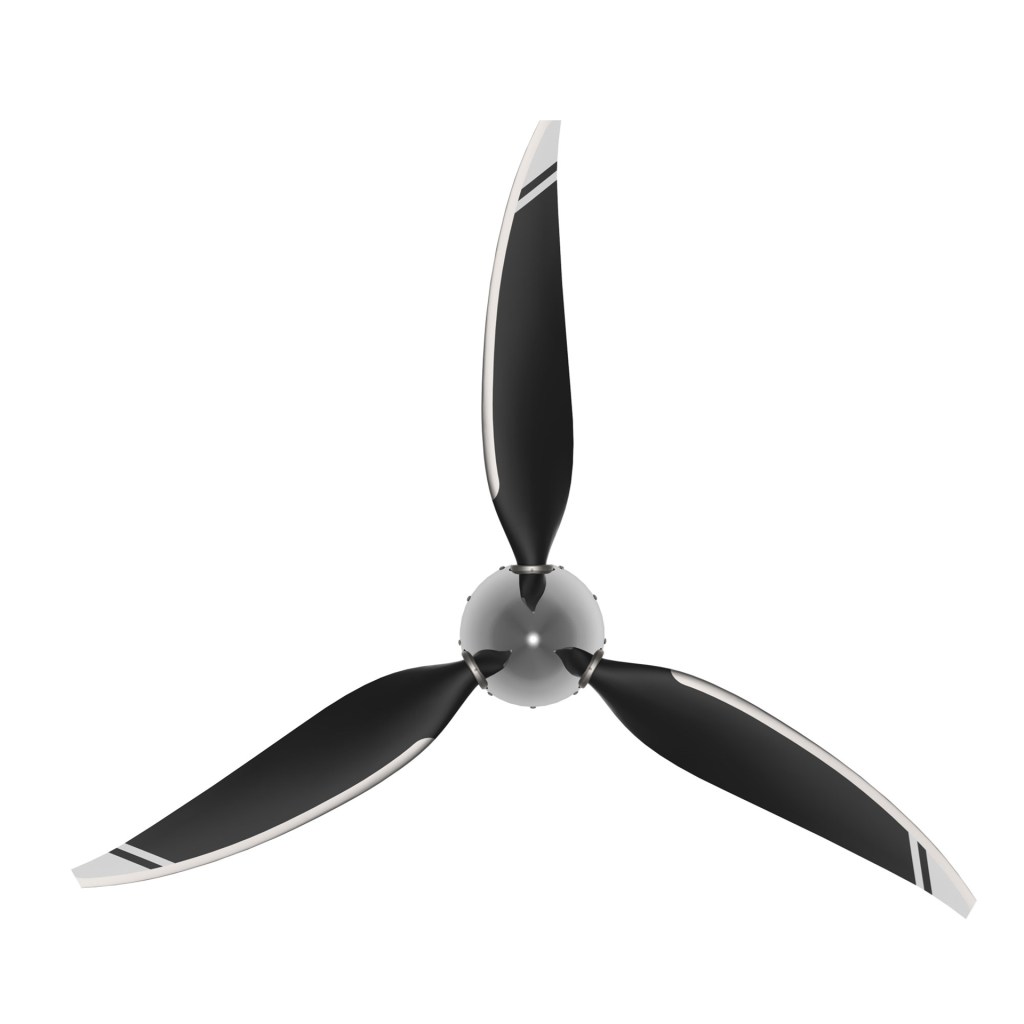
After much deliberation (and a fair bit of back-and-forth with both spreadsheets and forum threads), I’ve decided to move forward with the Airmaster AP431HCTF constant speed propeller for my Sling TSi.
I already walked through the technical debate in detail in an earlier post, but here’s the short version of why this decision makes sense for me:
- Modern vs. legacy solution – The Airmaster’s electric constant speed system feels like a natural fit for a modern Sling TSi. The traditional hydraulic prop works, of course, but bolting on electronic controllers in an effort to “digitize” it feels like retrofitting yesterday’s technology instead of leaning into tomorrow’s.
- Usability – Airmaster’s smart controller replaces the old “blue knob” with intuitive mode selection. It’s designed for how we fly today—simpler, smarter, and less workload in the cockpit.
- Blade technology – MT blades are carbon with a wooden core, which means moisture can become a problem if a crack develops. Airmaster, by contrast, uses Whirlwind’s fully composite WWR72C blades: strong, sleek, and built without the maintenance baggage of wood.
- Cost – The MT hydraulic props are significantly more expensive than the Airmaster setup, making the choice easier on both engineering and wallet grounds.
You can check out the specific setup here:
Why the Delay
This decision wasn’t instant. Another builder had already chosen the Airmaster, and The Airplane Factory (TAF) needed to test it thoroughly with the Rotax 916iS and the Sling airframe. That testing required software updates and some performance tweaks, but as of two weeks ago, Airmaster dropped a new software release that solved the remaining issues. The green light was finally given.
One caveat: since this isn’t yet an “official” Sling configuration, I had to sign a liability waiver with TAF. Based on my conversations with the factory, it seems the decision about which propeller(s) to formally support is a complex one—shaped not just by engineering but also by business considerations, timing of supplier offerings, and the core mission profile of each owner. For example, pilots focused on high-altitude cross-country flying may value different characteristics than those optimizing for lower-altitude operations or STOL performance.
Because of that, I’d encourage future builders to carefully review performance data—especially at altitude—and, where possible, seek information beyond what’s publicly available.
Seeing It in Person
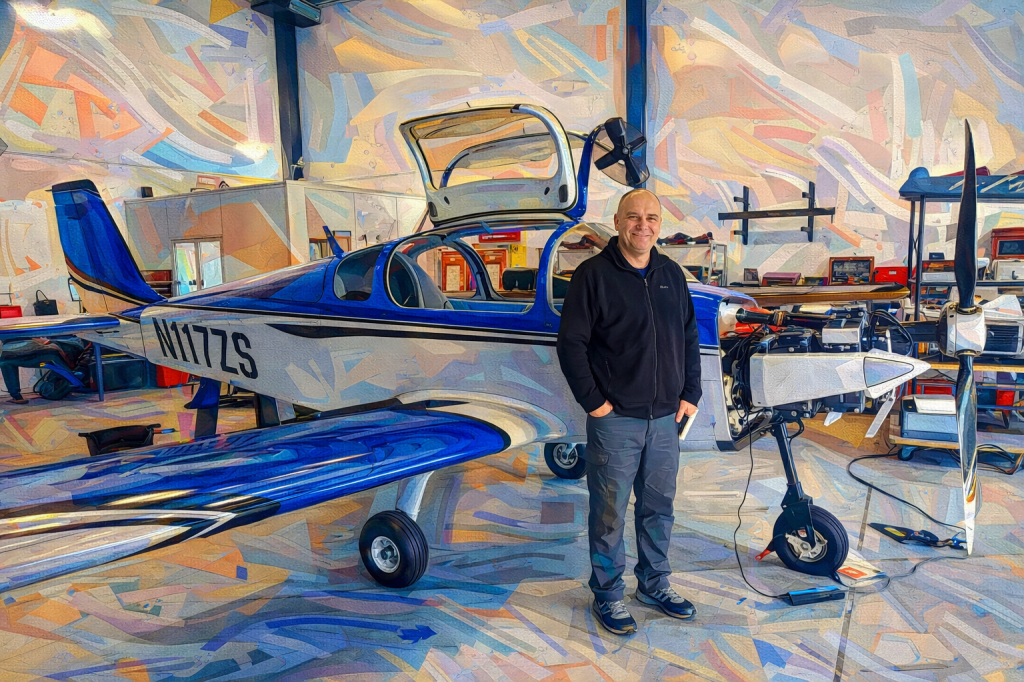
During my first build week at TAF, I got to see a Sling TSi equipped with the Airmaster. The propeller doesn’t just work—it looks absolutely stunning.
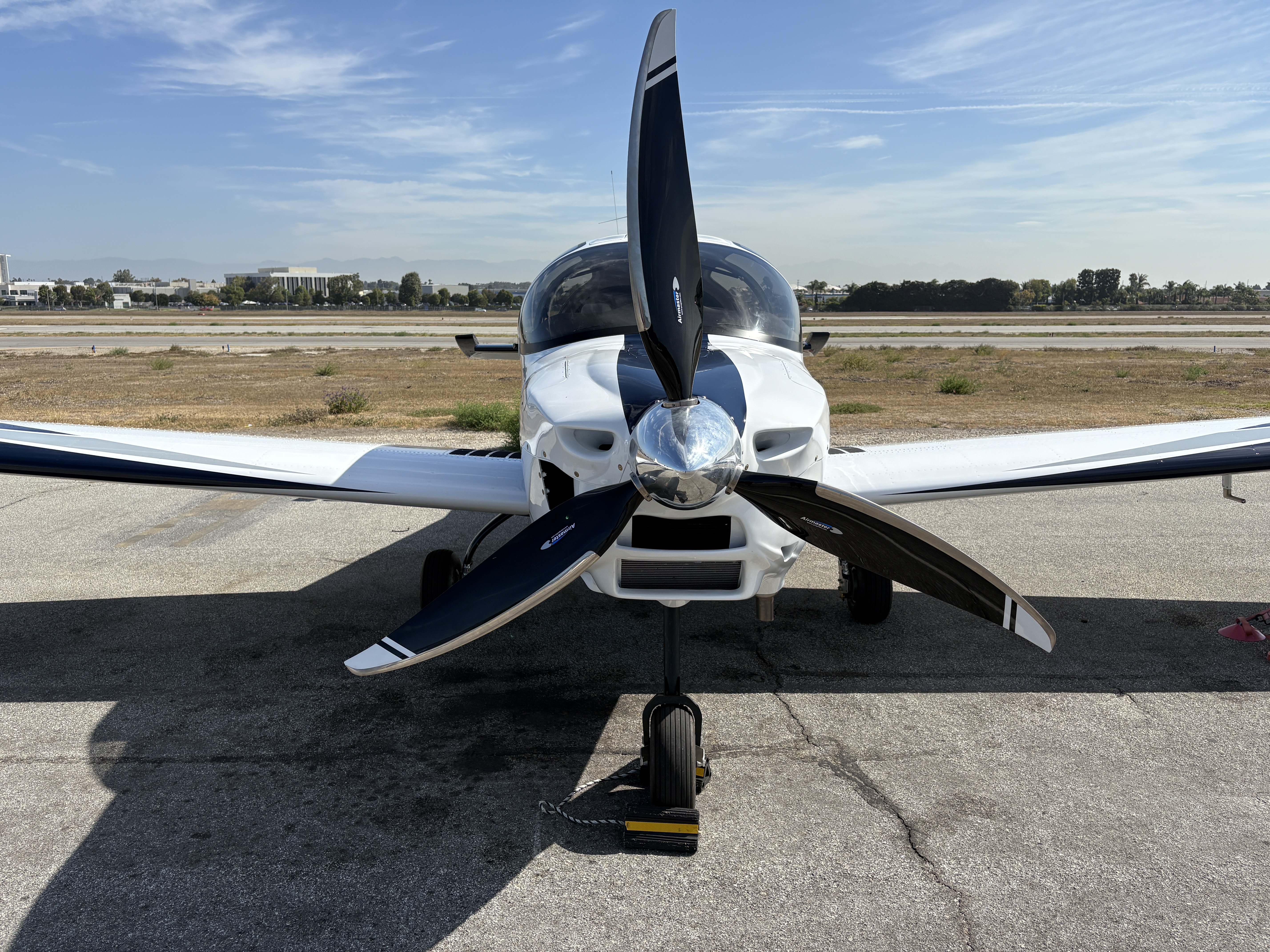
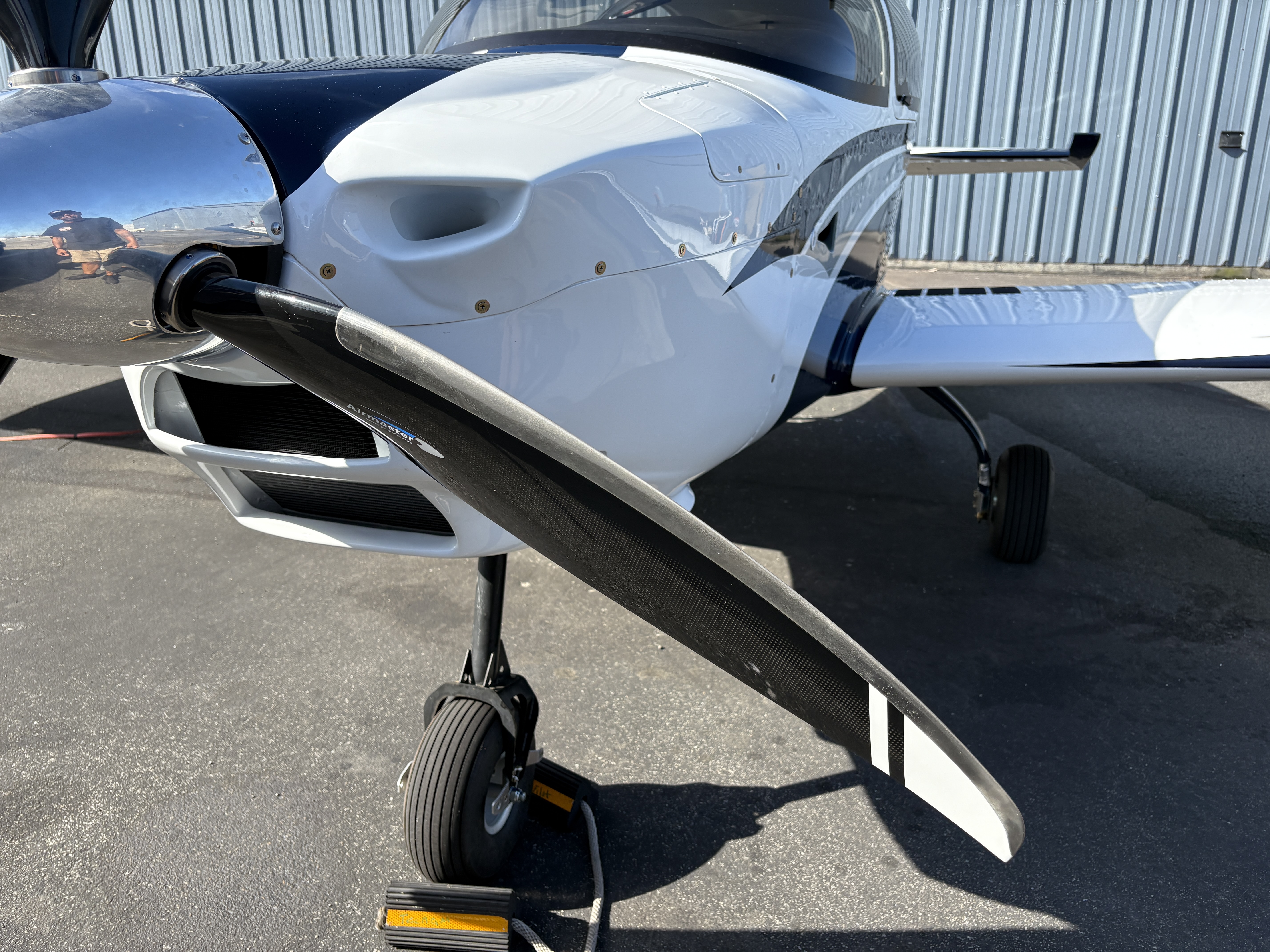
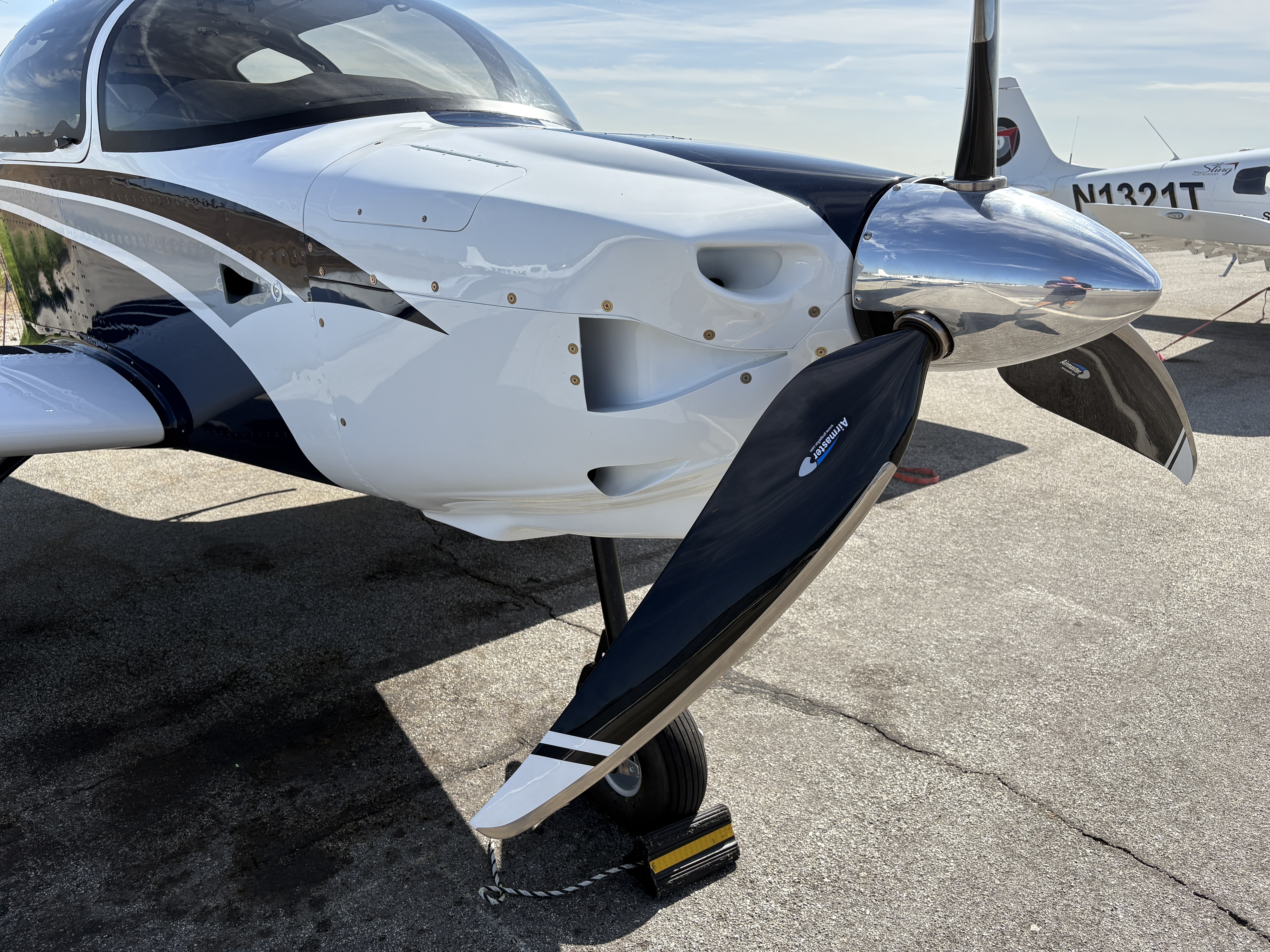
This decision feels like the right balance of technology, safety, usability, and cost. For a modern airplane, the propeller should be just as modern—and with the Airmaster, I think I’ve found the perfect match.





 Slingology - Building and Flying a Sling TSi
Leave a comment