

Flying at altitude comes with both legal and practical oxygen requirements, and selecting the right system for my Sling TSi was an important decision. The FAA’s oxygen requirements under FAR 91.211 state:
- Above 12,500 feet MSL up to 14,000 feet MSL – Pilots must use supplemental oxygen after 30 minutes at these altitudes.
- Above 14,000 feet MSL – The pilot must use oxygen at all times.
- Above 15,000 feet MSL – Passengers must also have oxygen available.
While these are the legal minimums, the general wisdom among pilots is to use oxygen above 8,000 feet, especially at night, to prevent fatigue and maintain cognitive sharpness. Since hypoxia affects everyone differently, a finger pulse oximeter is an easy way to monitor oxygen saturation and make informed decisions.
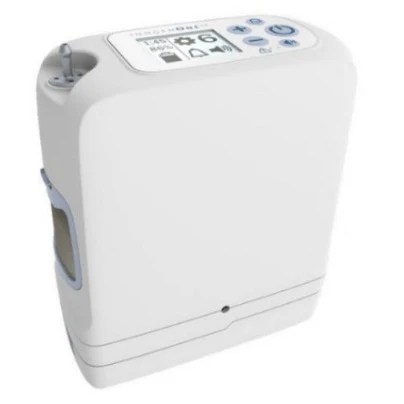
For my mission—cross-country IFR flying up to 18,000 feet with a two-person crew—I needed an oxygen system that is lightweight, reliable, cost-effective, and easy to maintain. After evaluating various options, including Aithre AVI24 Smart Pulse, Aithre Turbo Oxygen Maker, and the Inogen Rove 6, I ultimately chose the Inogen system.
Here’s why.
Pros of the Inogen Oxygen System
- Compact, lightweight, and portable – Unlike integrated tank systems, the Inogen is fully portable, meaning I only need to carry it when I plan to use it. This saves weight and space when flying at lower altitudes.
- No tank refills – The Inogen is an oxygen concentrator, meaning it generates oxygen from ambient air instead of relying on refillable tanks. This eliminates the hassle and cost of refilling and prevents the risk of running out mid-flight.
- Lower cost than integrated systems – Unlike built-in oxygen systems, which require installation, plumbing, and high ongoing costs for tank refills, the Inogen is a significantly cheaper solution both upfront and over time.
- Battery-powered with in-flight charging – The Inogen runs on its internal battery, which provides up to eight hours of operation. It can also be powered via a 12V car lighter plug, which I will have installed in my plane, ensuring continuous oxygen availability for long flights.
- Supports two people – The Windblade Aviator Oxygen Concentrator Interface Kit allows the Inogen to supply oxygen to two people simultaneously, making it ideal for my typical flights. If I ever needed oxygen for four people, I could simply bring a second unit to accommodate additional passengers.
- Field serviceable – Unlike Aithre systems, which require factory maintenance, the Inogen can be serviced in the field, reducing downtime and long-term costs.
Cons of the Inogen Oxygen System
- Requires power – Since the Inogen runs on battery power, it needs to be recharged between flights. However, with eight-hour battery life and the option to plug into the aircraft’s power, this is a manageable trade-off.
- Loose equipment in the cabin – Because the Inogen is not built into the aircraft, it requires a dedicated storage spot and some minor cable management. However, a planned mounting solution will help keep it secure.
- No built-in avionics integration – Unlike Aithre systems, which can display oxygen levels on the avionics panel, the Inogen operates independently. This is a minor downside, but I plan to monitor oxygen saturation using a pulse oximeter instead.
Key Considerations
Beyond the pros and cons, I considered several mission-critical factors when selecting my oxygen system:
- Weight and space efficiency – Since my Sling TSi will have a parachute, baggage space is already limited. A built-in oxygen system would permanently take up valuable space, whereas the Inogen can be carried only when needed.
- Altitude capability – While Aithre systems are rated for higher altitudes, real-world reports confirm that the Inogen works effectively up to 17,500+ feet, well beyond its published 10,000-foot rating. As long as oxygen saturation remains above 90 percent, it meets my needs.
- Serviceability and long-term costs – The Aithre systems require factory servicing, adding to ongoing maintenance costs. In contrast, the Inogen is field-serviceable and avoids the expensive servicing requirements of other systems.
- Flexibility for more passengers – My typical flights involve two people, which the Inogen handles well. If I ever needed oxygen for four, I could easily add a second unit, making it a scalable solution without requiring an extensive built-in system.
Final Decision
After comparing performance, cost, weight, and ease of maintenance, I found the Inogen oxygen system to be the best fit for my mission. It’s lighter, eliminates refill hassles, and provides the flexibility to carry it only when needed.
With battery power, in-flight charging, and lower long-term costs, the Inogen provides a simple, hassle-free solution for maintaining oxygen levels on long, high-altitude flights.
For now, I’m confident that this setup will meet my needs, but if my mission changes, I always have the flexibility to add a second unit or explore other options in the future.
If you’ve used the Inogen or another system, I’d love to hear your experiences!




 Slingology - Building and Flying a Sling TSi
Leave a comment