
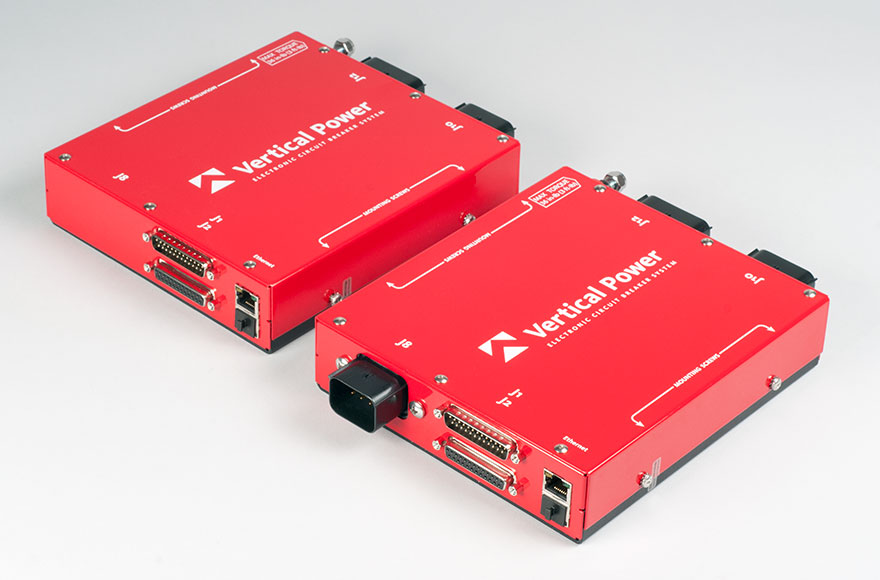
One of the major electrical system decisions in my Sling TSi build was whether to use traditional fuses and circuit breakers or upgrade to the Vertical Power VP-X Pro electronic circuit breaker system. After weighing the pros and cons, I decided that the VP-X Pro was the better choice for my build due to its ability to simplify wiring, free up panel space, and provide real-time electrical system monitoring through the EFIS.
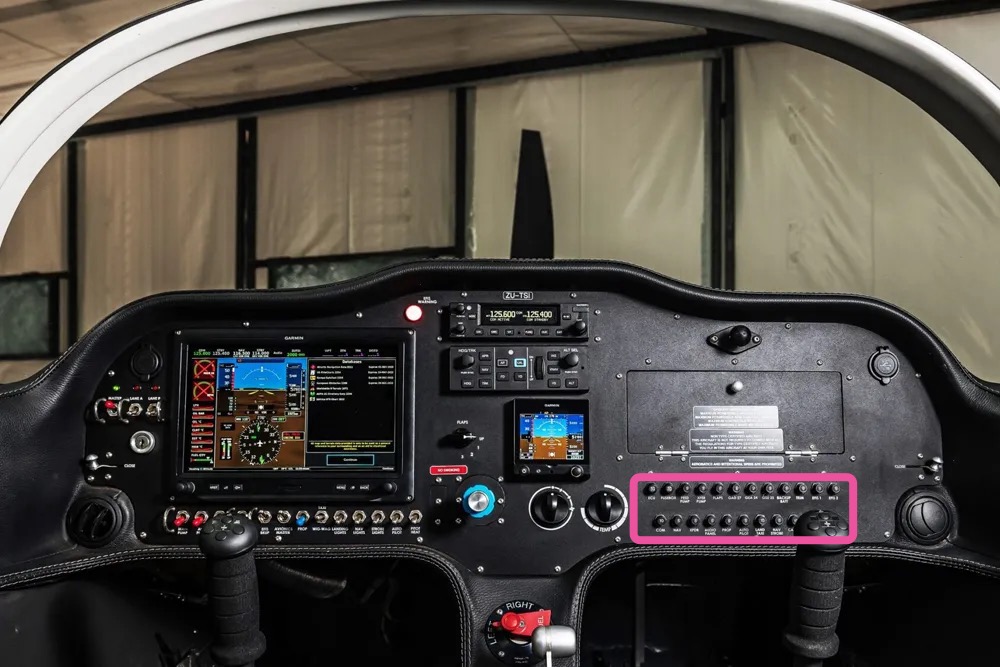
Comparison
The VP-X Pro consolidates many functions that would otherwise require separate circuit breakers, relays, and wiring modules. Instead of running individual wires from the bus bar to each device and installing multiple relays, trim and flap modules, and other electrical components, the VP-X integrates these features into one streamlined system.
Some of the key benefits include:
- Simplifies wiring by reducing the need for relays, shunts, e-bus diodes, and other components
- Saves real estate on the front and back of the instrument panel by eliminating fuse panels
- Integrates with the EFIS for circuit monitoring, failure notifications, and in-flight diagnostics
- Allows circuits to be turned on or off directly from the EFIS, making troubleshooting easier
- Provides backup circuit capability for critical components
- Displays real-time current draw, battery status, and electrical loads in flight
The ability to actively monitor and diagnose electrical performance in real-time through the EFIS is a major advantage. Rather than relying on visual inspections of circuit breakers or manually resetting fuses, the system provides alerts and allows circuits to be managed digitally from the cockpit.
This YouTube video from Midwest Panel Builders that explains the advantages of the VP-X Pro in detail.
Addressing the Key Concern: What Happens if the VP-X Pro Fails?
Because the VP-X Pro serves as the central hub for managing the aircraft’s electrical system, one of my initial concerns was what happens in the unlikely event of a system failure. To ensure this wasn’t a major risk, I consulted with Midwest Panel Builders and reviewed the Vertical Power Installation and Operating Manual, specifically Section 5.24, which outlines multiple backup wiring strategies.
Midwest Panel confirmed that the VP-X Pro is designed with redundancy in mind, and they haven’t encountered a complete VP-X failure. However, I wanted to understand what would happen if the system did fail.
Here’s what I found:
- Engine systems (ignition, fuel pumps, etc.) are completely independent of the VP-X and powered by the engine’s generators, so the engine will continue running
- The avionics, including the G3X, have backup batteries that provide approximately one hour of operation. The Garmin G5 backup instrument has its own independent battery lasting up to four hours, ensuring continued flight instrumentation
- The electric trim system is connected to the avionics backup battery, so trim remains operational
- Flaps are the only system that will become inoperative in a VP-X failure. They will remain in their last position, which is something to keep in mind for approach and landing
- The G3X Touch EFIS will provide a VP-X failure annunciation, alerting the pilot if an issue arises
The backup wiring options outlined in Section 5.24 of the manual offer multiple ways to configure the electrical system for redundancy. Understanding these options helped me feel confident that, even in the rare event of a failure, I would still have a functioning avionics suite and flight controls necessary to complete the flight safely.
Tradeoffs and Final Decision
The biggest downside of the VP-X Pro is cost, adding about $2,000 compared to a traditional fuse and breaker system. However, the benefits in terms of wiring simplification, real-time system monitoring, and increased control outweigh the additional cost.
After reviewing failure scenarios, I am confident that the Midwest Panel implementation ensures all critical systems remain operational, even in the rare case of a VP-X failure. The only real tradeoff is the potential loss of flap control, but this is manageable with proper planning.
For my mission, the VP-X Pro offers a cleaner, more reliable, and more modern approach to electrical system management. The ability to actively monitor circuits, diagnose issues, and simplify wiring makes it a solid upgrade over traditional fuse panels.




 Slingology - Building and Flying a Sling TSi
Leave a comment