

Background
There are numerous excellent resources available that cover IFR approach briefings in depth, and approach plates themselves are ergonomically designed to facilitate a structured, streamlined briefing. However, as an IFR student, I’ve found that developing my own routine—one that consistently captures the most critical aspects of the briefing—has been invaluable in reducing stress and ensuring a timely, efficient process that keeps me ahead of the aircraft.
For additional resources on IFR approach briefings, expand to see articles and video
- How to Brief an Instrument Approach (Step-by-Step)
- Instrument Tip: Putting the brief in briefing
- How To Brief An Instrument Approach, In 10 Steps
This is especially important when, as a student, you’re hand-flying most of the time. Having a reliable process helps minimize the cognitive load and allows for a more methodical approach to executing the procedure. This article presents my approach briefing routine (not flying the approach), using the ILS RWY 16 at Bellingham International (KBLI) as an example. I hope you find it useful, and I welcome any feedback to further refine and improve it.
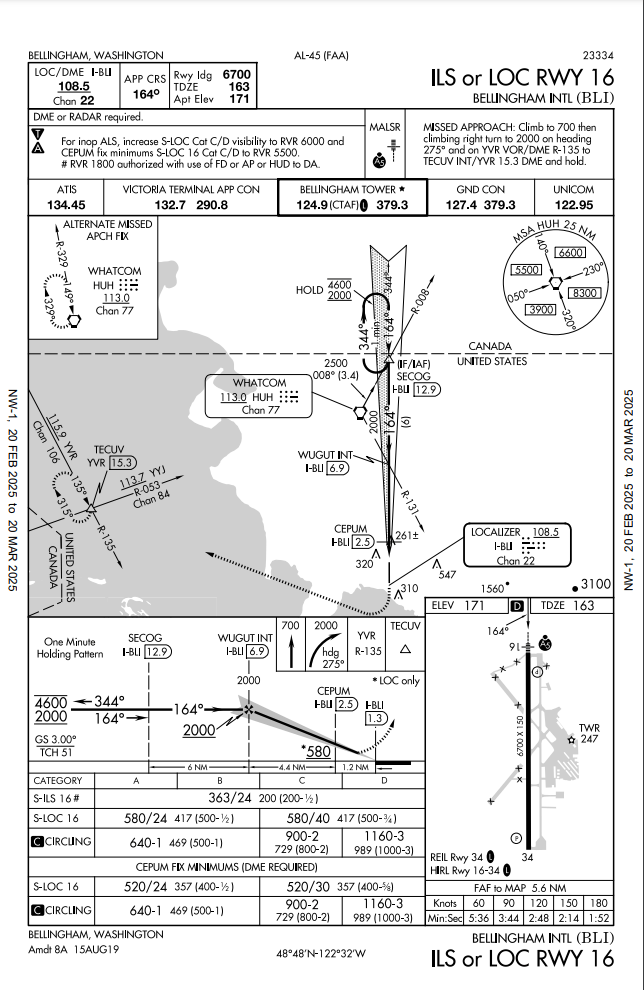
Step 1: Preflight Preparation
Preparing on the ground can be immensely beneficial, especially when focusing on elements that might be overlooked or rushed in flight. This preparation ensures a smoother approach execution.
- Review all available approaches at both your destination and alternate airports. If METAR and TAF data indicate consistent and predictable winds, focus on the most probable approaches for the expected runway.
- Evaluate approach minimums based on forecast conditions and personal proficiency. Consider backup options for ATC-assigned changes. Further eliminate approaches that will not meet minimums.
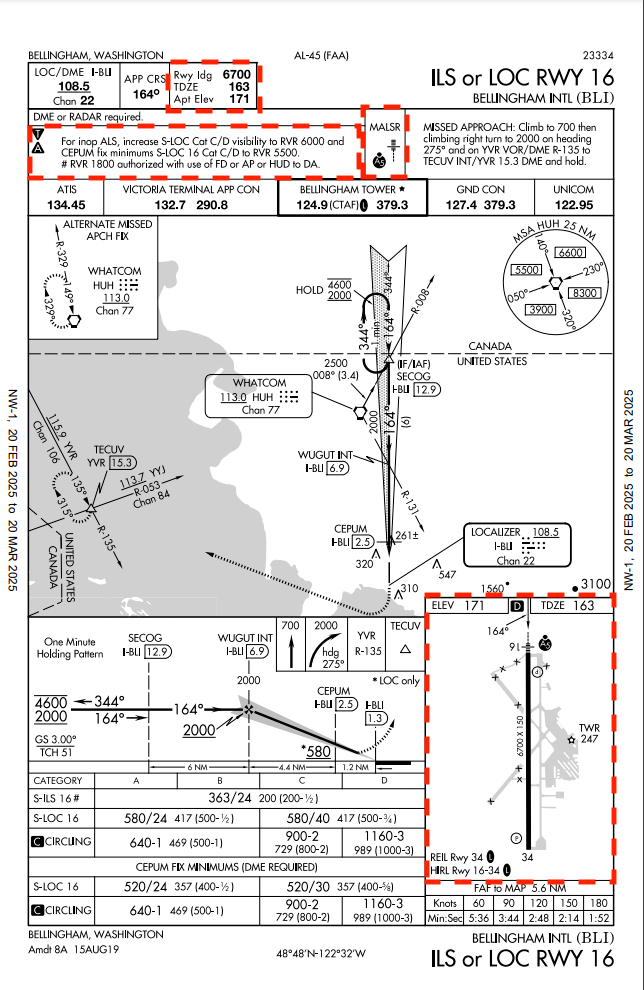
- Familiarize yourself with the runway environment, including lighting and markings. Highlight key elements on the plate that you may need to reference during the approach.
- Read the approach plate notes carefully. These are often overlooked but can contain crucial information, such as approach restrictions, special procedures, or missed approach instructions.
Step 2: Before Approach – Initial Communication Setup
Effective communication setup before reaching the approach phase reduces workload and ensures a seamless transition.
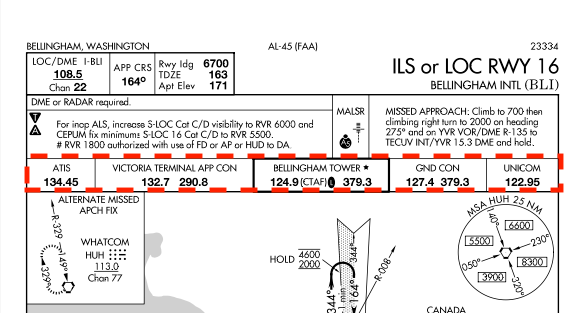
- Radio Setup Preferences:
- COM 1: ATC (Approach/Center)
- COM 1 Standby: Tower or CTAF
- COM 2: Weather (ATIS, ASOS)
- COM 2 Standby: Ground when applicable
- Listen to ATIS/ASOS early and note critical information (altimeter setting, runway in use, special instructions).
Step 3: Once ATC Assigns an Approach
With the assigned approach in hand, now is the time to methodically verify and set up everything needed.
- Confirm the correct approach plate to avoid any mix-ups.
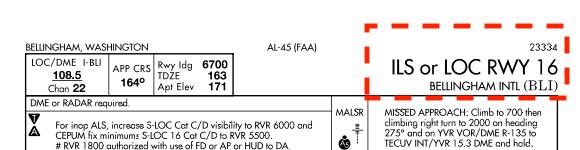
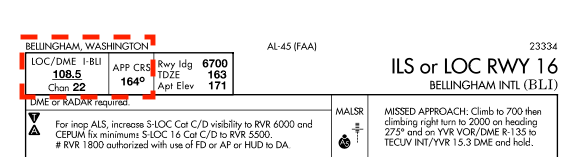
- If using ground-based navigation: Tune NAV 1 to the localizer frequency.
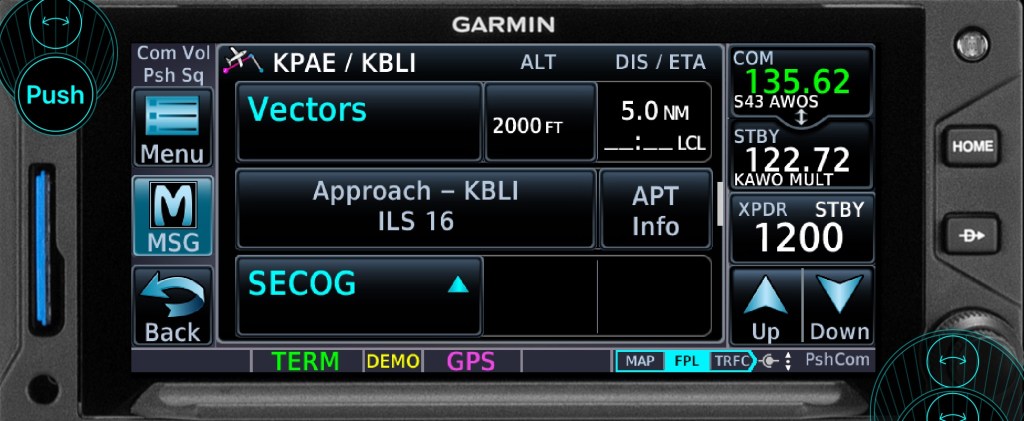
- Program approach: Load the approach into the GPS but do not activate it yet.
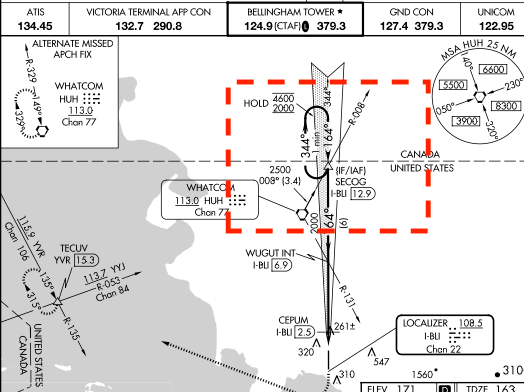
- Identify the likely Initial Approach Fix (IAF) based on your aircraft’s current position and route, or skip if being vectored.
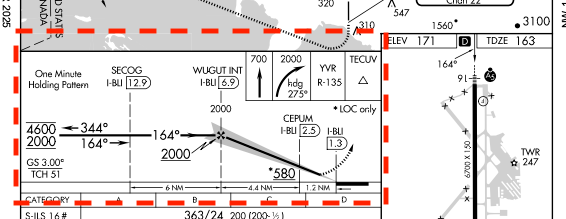
- Review the approach profile, step-down fixes, and minimums. Highlight important altitudes and set them as needed in the avionics.
- Set minimums on the Garmin G3X (or equivalent avionics system) for situational awareness.
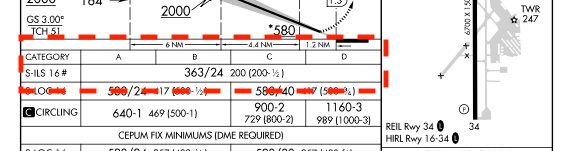
- Brief the missed approach procedure: Go through the waypoints necessary for the missed approach.
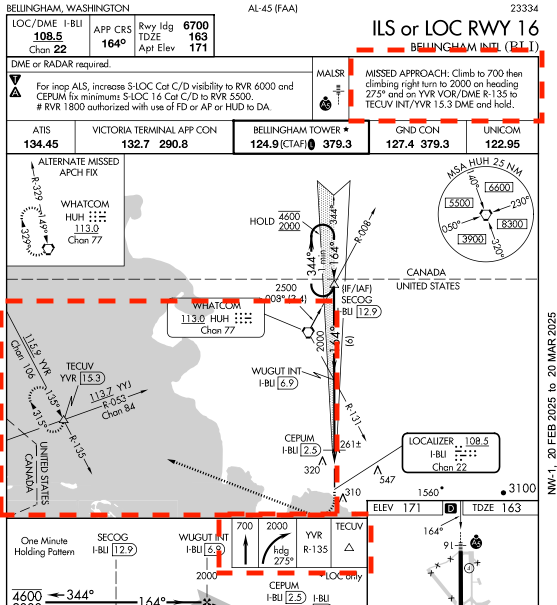
- If missed approach is using ground-based navigation: Tune NAV 2 to the VOR frequency.

Step 4: When ATC Clears the Approach
Once ATC clears you for the approach, it’s time to execute. Activate the approach in the GPS, ensuring the correct sequencing of waypoints. If flying an ILS or LOC approach, switch the CDI to VLOC mode to track the localizer properly. Monitor your altitude and descent profile, maintain situational awareness, and fly the approach as briefed.
Final Thoughts
Approach briefings should be concise yet thorough. Repeating a structured process helps develop consistency, leading to increased confidence and reduced stress—especially in IMC conditions. While personal preference plays a role in how pilots conduct their briefings, having a well-defined routine makes a significant difference.
“Expect the best, plan for the worst, and prepare to be surprised.” – Denis Waitley



 Slingology - Building and Flying a Sling TSi
Leave a comment