
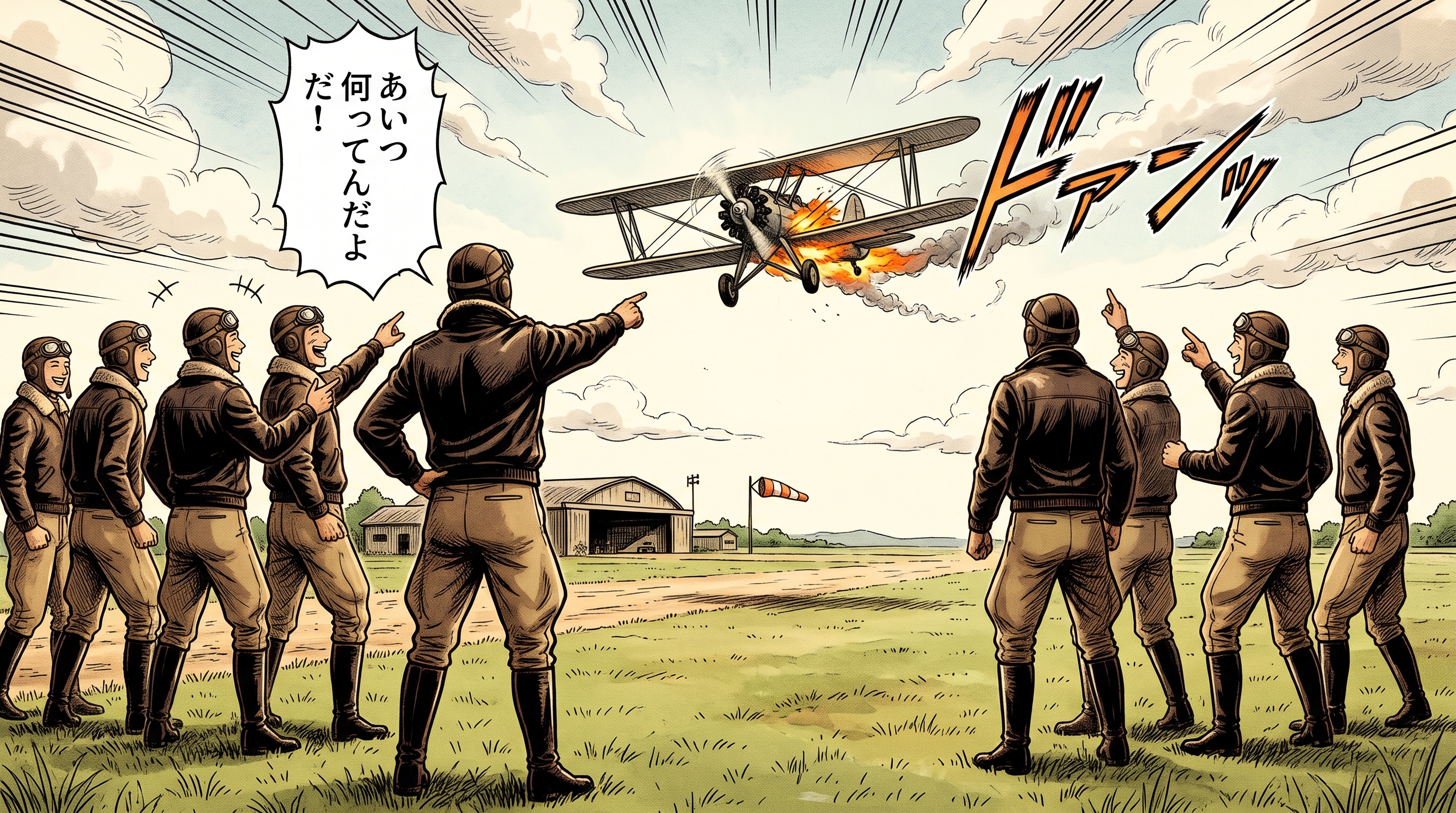
This is a different kind of post. Recently I flew the pattern at Arlington for a while with a radio that had quietly stopped transmitting, and I did not know it. Nothing bad came of it. I am not writing about the failure, and I am not writing to complain about how it was received. I am writing because that flight showed me a habit of mind that I recognize in myself, and I think it deserves a few minutes of any pilot’s attention. So this is a note to the pilots who were on the frequency that day, and to all of us who have ever been one.
I was flying closed traffic, making the same calls I always make. Downwind, base, final, runway 16. I could hear my own voice in my headset. The screen told me the radio was transmitting. I could hear all of you. What I did not know was that a small connector had failed, and that not one word I said was leaving the airplane. I thought I was talking to you, but instead I was talking to myself the whole time. You never heard me.
So I understand what you saw. An airplane in your pattern that announced nothing. It turned final to see a Cub also turning to final, swung away, came back around and joined the pattern, and flew a touch-and-go. If I had been on the ground watching that, I know what I would have thought. I would have thought: who is this guy?
And I heard what you said. There were quite a few comments about the airplane that was not talking, and I do not remember them all. One was that you have seen everything in Arlington, implying that nothing a pilot does around here could surprise anyone anymore. None of it bothered me, for a simple reason: I agreed with every word. I sat there listening, scanning the sky for the pilot you were describing, a little annoyed at him myself. It never crossed my mind that it was me. Why would it? I had made every call.
I want to be clear that my feelings came through the day intact. Pilots grow thick skin early, and mine is in good repair. What did not come through was information. Everyone on that frequency knew something I urgently needed to know, and in all those transmissions the information never was provided. The comments described a careless pilot. None of them was addressed to an airplane. One plain sentence would have done it: “Sling in the pattern, we cannot hear your radio.” I would have known in an instant, and I would have landed as soon as feasible. I went around again instead, one more circuit as a silent airplane among pilots who were counting on hearing me, until a call aimed at the plane taking off finally pointed in my direction and I began to wonder.
I am not writing this to scold anyone, and I hope it does not read that way. I made my own assumption that day. When the Cub turned in ahead of me, I decided he had missed my calls. He had not missed anything. There was nothing to miss. I was as sure about him as you were about me, and we were all wrong together.
I think I know why we do this. We are careful people. We love procedure, and standard calls, and a pattern flown the way a pattern should be flown. That care is the best thing about us. It is why this works at all, strangers sharing a runway with no one in charge, on nothing but good habits and a common frequency. But the same care has an edge. When someone breaks the norms, it feels personal. It feels like disrespect. And once we have decided a pilot does not care, we stop trying to reach him.
And this is much bigger than a dead radio. Mine happened to be a connector. Next time it will be something else. The airplane flying a pattern twice as wide as everyone else’s may have a pilot nursing a rough engine. The one going around for the third time may be a student on her first solo, with her hands full and her instructor watching from the ramp. The voice that keeps getting the runway wrong may belong to someone who has never been here before and is tired at the end of a long day. We almost never see into the other cockpit. We see only the odd thing the airplane just did.
So the question I am trying to teach myself to ask is a different one. Before I ask what is wrong with that pilot, I want to ask what that pilot might be dealing with, and what I would want from the rest of us if I were in that seat right now. Sometimes the answer is a sentence on the radio. Sometimes it is extra room, an extended downwind, a go-around of my own. Sometimes it is nothing more than patience. The question costs nothing to ask. If I am wrong and the pilot really was careless, I have lost a little time. If I am right, I may have given someone in trouble the one thing he could not get for himself.
I think, too, about who else was listening. Every frequency has a student on it somewhere, deciding what kind of community this is. They are learning the calls from us. They are also learning what happens to a pilot who gets something wrong, and whether this is a place where you can have a bad day and be helped.
So here is my promise, and my ask. The next time something unexpected happens around me, in the pattern, on the ramp or on the frequency, I will try to start from the other pilot’s seat. I will assume there is a reason I cannot see, and I will ask how I can help before I decide what I think of him. If the airplane is silent, I will talk to it and not about it, by its color and its place in the sky. If it is somewhere I did not expect, I will give it room first and opinions later. I will not always manage it. I am asking you to try with me, for the next pilot whose day has quietly gone wrong. One day that pilot will be you, as it was me.
To whoever keyed the mic and asked the plane taking off to say its intentions: thank you. You were the first person who spoke to me, and it was all I needed.




Leave a Reply