

Back in 2005, when I first took to the skies, I picked up a pair of David Clark H20-10s—arguably the aviation headset of the era. They were the green standard: light, rugged, comfortable, and quiet enough with their passive noise reduction to keep the engine drone at bay. That headset stuck with me through every cross-country flight and checkride until I stepped away from flying in 2009.
Fast forward to 2024. I’ve returned to the cockpit, this time with a Sling TSi project and an IFR rating in progress. And guess what? The old David Clarks still worked perfectly. Fifteen years in a closet, and they fired up like they’d just been at Oshkosh last weekend.
But aviation has moved on—and so have headsets.
The ANR Revolution
One of the biggest shifts in general aviation tech has been the rise (and near dominance) of Active Noise Reduction (ANR) headsets. These new-generation units do more than just block noise—they erase it.
Some of the upgrades that made me do a double take:
- Noise Cancellation 2.0: The cockpit has gone from rumble to whisper.
- Bluetooth Connectivity: Music during cruise? Calls on the ramp? Check.
- Safety Features: Like built-in CO detectors and audio recording.
- Modern Comfort: Flexible mic placement, lighter designs, and memory foam everything.
So, with my 300+ mile cross-country IFR flight coming up, it was time to join the 21st century of sound. My trusty H20-10s are now my passenger headset. I picked up a brand-new Bose A30 for myself.
Here they are side by side:
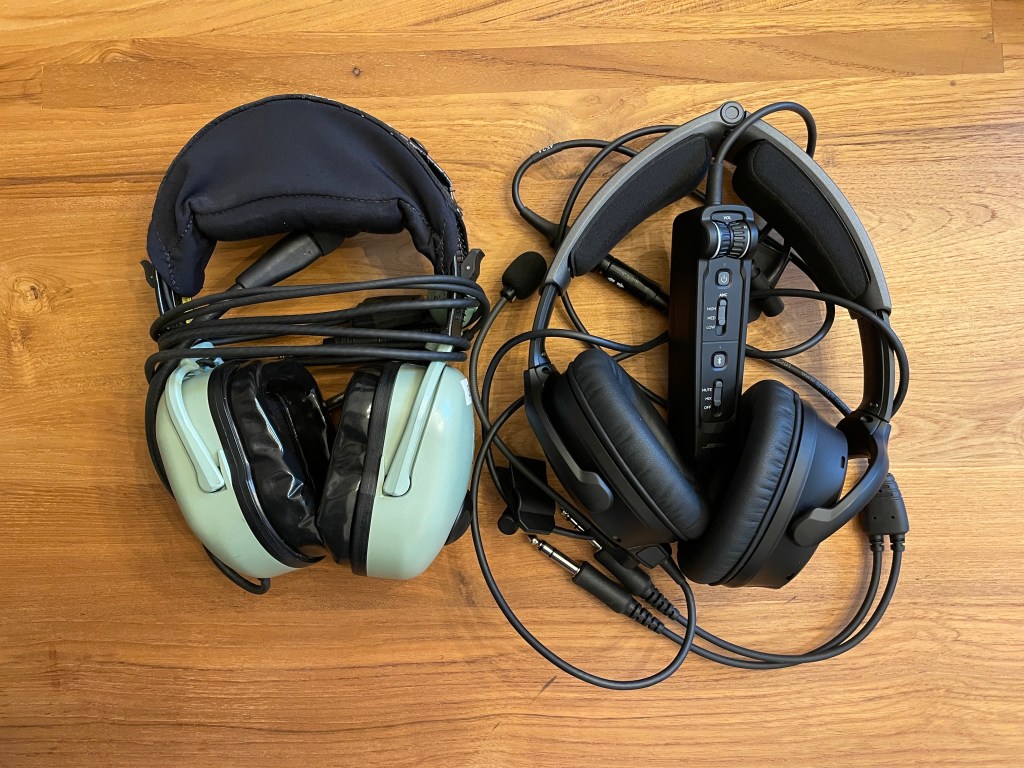
Headset Showdown: A30 vs. The Competition
There are a plethora of reviews that compare the options as I looked into the top three contenders before making my choice.Here’s how they stack up:
| Headset | Price (approx.) | Pros | Cons |
|---|---|---|---|
| Bose A30 | $1,249 | Best-in-class ANR, lightweight, very comfortable, three noise settings, Bluetooth | Pricier, fewer “extras” like CO sensors |
| Lightspeed Delta Zulu | $1,199 | ANR + CO detector, built-in audio recording, great app integration | Slightly bulkier, some find fit less comfy |
| David Clark ONE-X | $995 | Durable, solid ANR, classic DC quality, lighter than older DC models | Tighter fit, no CO features, less plush feel |
Here are some reviews that compare these headsets.
All of them are great headsets—but here’s why I chose the Bose A30:
- Best ANR in my experience.
- Comfort: I have a generously-sized head and Bose just fits better.
- Brand loyalty: I’ve had non-aviation Bose headsets for years—they’ve always held up beautifully.
Let’s Talk Connectors: Understanding the LEMO Connector
When picking out a headset, you don’t just choose the brand—you also have to choose the plug. And while most legacy aircraft use the classic PJ (dual plug) setup, modern headsets often come with alternative options like LEMO, also known as the “Redel” plug.
So what’s the deal with LEMO?
The Smart, Single Plug
LEMO is a 6-pin single connector that carries:
- Audio in (ATC, intercom)
- Mic out (your voice)
- Power supply
That last one—power—is key. Unlike PJ headsets that rely on AA batteries to run their ANR features, LEMO-powered headsets draw electricity directly from the aircraft. That means:
- No dead batteries mid-flight
- No opening battery compartments in turbulence
- No extra weight from batteries on your head
Designed for Permanence
LEMO jacks are often found in newer, custom-built, or upgraded aircraft panels—like the Sling TSi I’m building. It makes sense: one clean plug, tucked into the panel, with no adapters, no cable clutter, and no guesswork. Plus, the LEMO plug is locking, so it stays in place even with a bit of cockpit chaos.
But What About Older Aircraft?
My current trainer? A Cessna 172N that rolled off the line when disco was still cool. It uses the standard PJ plugs, and definitely doesn’t have a LEMO jack.
No problem. I picked up a LEMO-to-PJ adapter. It’s a short cable that bridges old and new—letting me use my shiny A30 in vintage cockpits until the Sling is ready.
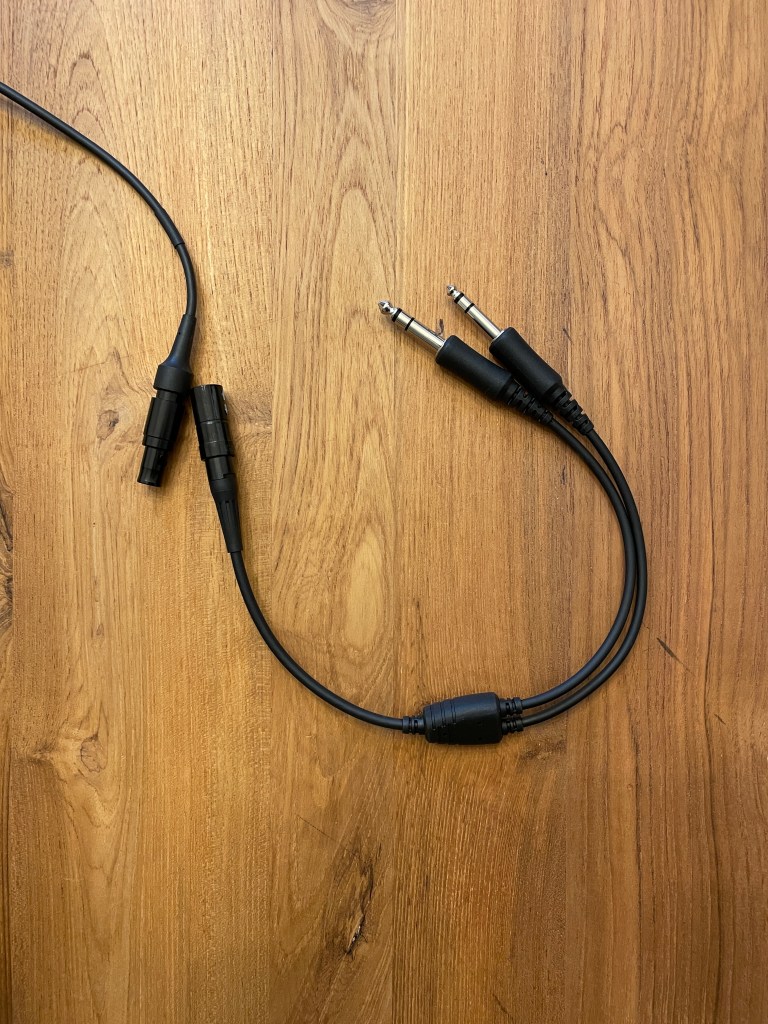
Plug-and-play across generations.
Closing Thoughts
Getting the Bose A30 felt like part of my larger aviation comeback—investing in gear that will support long flights, IFR training, and years of flying ahead. It’s more than just comfort or ANR—it’s about reconnecting with the skies, with a little help from some new tech.




 Slingology - Building and Flying a Sling TSi
Leave a reply to Inside the Panel: My Garmin-Powered Sling TSi Avionics Suite – Slingology – Building and Flying a Sling TSi Cancel reply