

For the better part of two years, this blog had one job: document the journey from a signed purchase agreement to a flying airplane. That job is done. N117ZS is in her hangar at KAWO, the logbook has its first real entries, and the questions that drove most of what you’ve read here — will it come together, will it fly, will the systems work — have been answered.
What comes next is a different kind of flying life. And a different kind of blog.
The Adventure
The new Adventure section in the main menu is where I’ll be logging flights worth sharing — scenic routes, interesting weather decisions, cross-country planning, first-time destinations. Not every flight, but the ones that have something to say.

Each entry is structured around the full arc of a flight: the goals I set before departure, what actually happened in the air, and an honest debrief after the engine is shut down. Where I have a Garmin GPS track, you’ll see the actual route and altitude profile on a map — not a description of the flight, but the flight itself.
Multi-leg trips — AirVenture, cross-country tours, anything spanning more than a day — roll up into a single story with a combined map of every leg and a trip-level debrief.
The entries are generated by a personal planning and logging tool I built called SlingologyXC. The tool itself is private for now — what you’ll find under The Adventure is my public pilot feed: the flights and trips I’ve chosen to share.

Ownership Experiences
Most of what’s been written about the Sling TSi — including most of what’s on this blog — is about building one. I have found less information about owning one.
I am a first-time owner of a new experimental aircraft, and I have no illusions about how much I don’t know yet. The learning curve on true ownership — maintenance decisions, managing squawks, understanding what the airplane is telling you, building the judgment that only comes from hours — is steep and largely undocumented. I’ll be sharing what I learn as I learn it: best practices, tools, mistakes, and the things I wish someone had written down before I needed them.
That includes the financials. Owning an aircraft has real costs — acquisition, insurance, hangar, fuel, maintenance, reserves — and very little honest data exists about what those numbers actually look like in practice. SlingologyMX gives me detailed tracking and forecasting across all of it. I’ll be sharing that data openly, because it’s the kind of information I looked for when I was deciding whether to build and couldn’t find.
XC Notes
The Adventure section captures what happened on a flight. XC Notes is where I extract what it meant.
Each post in this series distills something a cross-country actually taught me — a flying technique the route demanded, location insights you can only get by showing up, or how I’d build the itinerary differently knowing what I know now. The Adventure entry is always the reference point; XC Notes is the debrief that generalizes beyond the logbook.
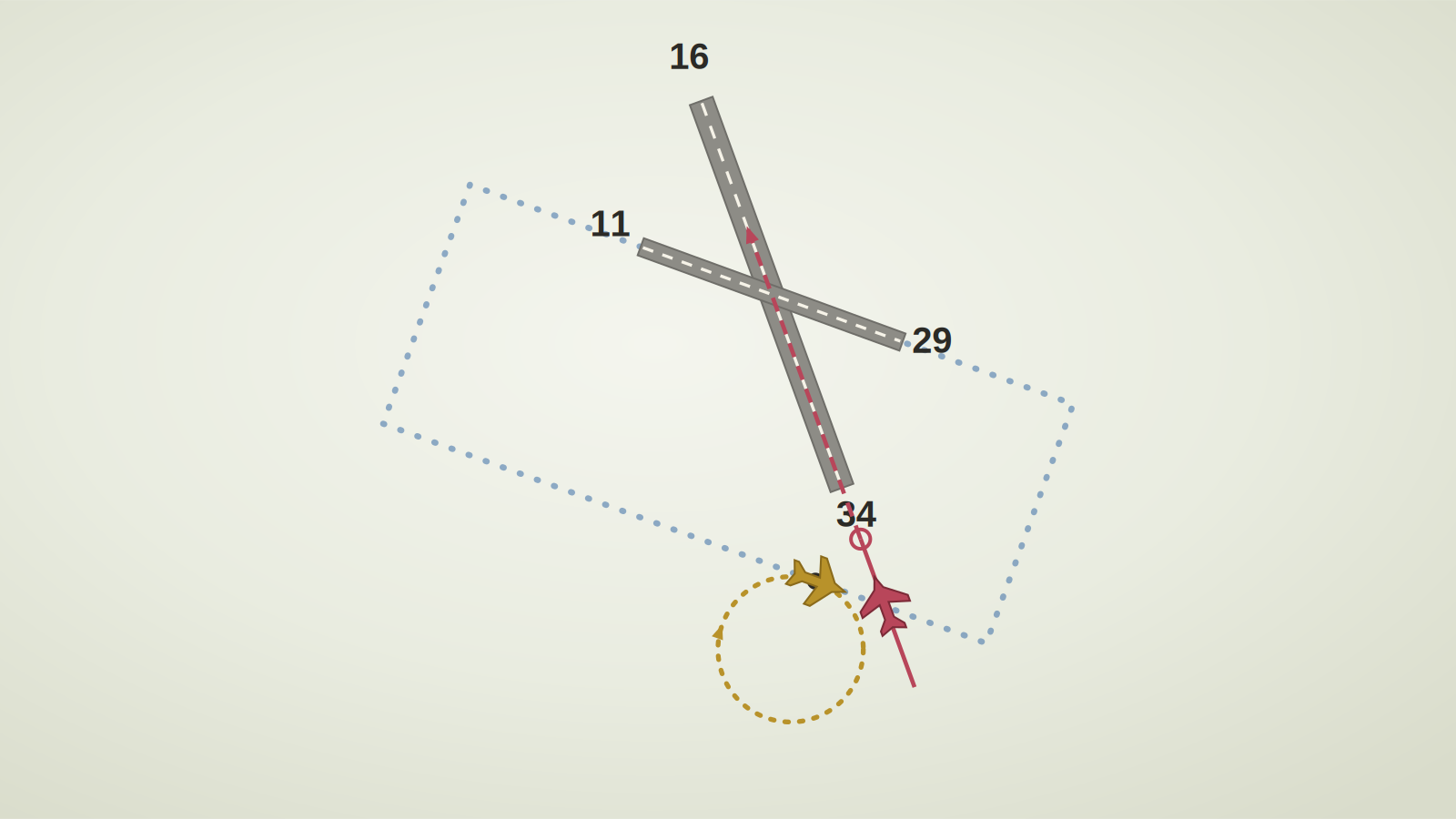
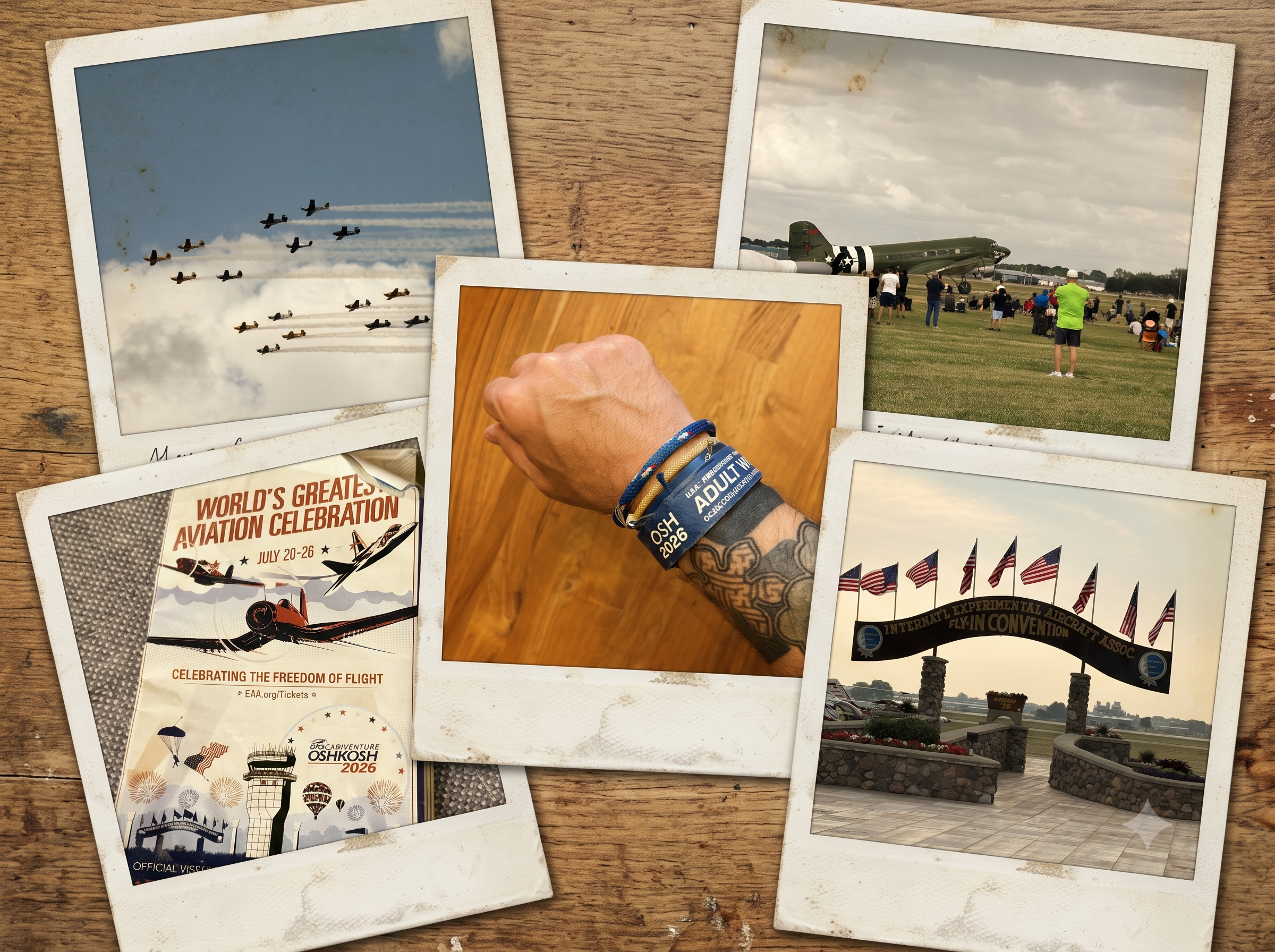
AirVenture this summer will be the first major test of this format — the planning, the routing, the arrival procedures, and the verdict after flying it in a Sling TSi from the Pacific Northwest.
Pilot Tips & Equipment
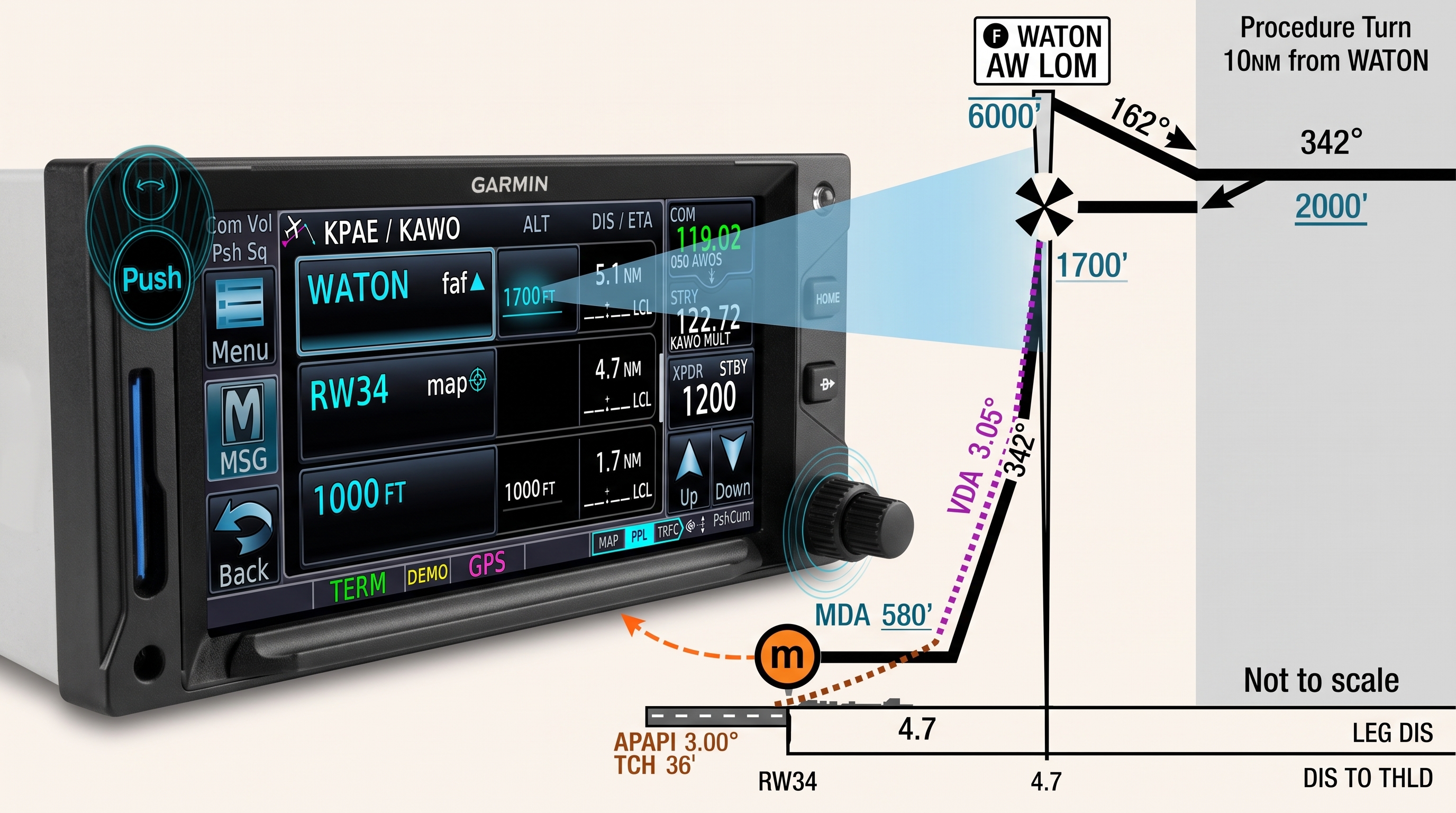
The Cockpit Refreshers series continues — short, practical explainers for avionics features and procedures that fade when you don’t use them regularly. The GFC 500, the GTN, the G3X, Garmin Pilot — there’s more to cover and the series has found a clear audience.
Beyond the avionics, I’m continuously testing the broader ecosystem of tools, apps, and equipment that goes into flying a well-equipped experimental: EFB workflows, weather products, hardware, and the integrations between all of it. What works, what doesn’t, and what the marketing doesn’t tell you.
Some of this will appear as Cockpit Refreshers entries. Some will be standalone posts. The format will follow the content.
The Workshop
When something doesn’t meet my requirements, I build it. SlingologyMX started as a maintenance compliance tracker for experimental aircraft owners — a gap I couldn’t find a good solution for. SlingologyXC grew out of wanting a flight logging tool organized around how I actually think about flying, not how a logbook is structured. SlingologyRamp keeps the ramp-side details that matter — fuel state, tach time, squawks, and the notes you need before you turn the key.
More are in progress. VOR testing records, currency tracking, and other gaps that don’t have good solutions yet.
Some of these tools will be made available to the broader community as they mature. All of the codebase lives on GitHub — open for anyone who wants to look under the hood.

I’ll be writing about this process as it evolves — what problems I’m solving, how the tools work, and what I’ve learned building software for a very specific kind of user: myself.
The build gave this blog its shape. What comes next is finding out what that shape looks like in the air.




Leave a Reply